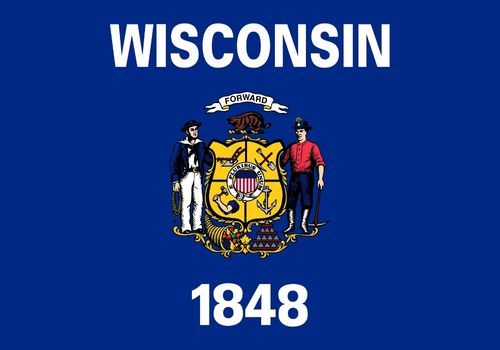
Wisconsin Responsible Beverage Server Training
Wisconsin requires individuals who serve, sell, or oversee the sale of alcoholic beverages
to complete a state-approved Responsible Beverage Server Training course in order to obtain
an Operator’s License (also known as a bartender’s license).
The training must be completed before an employee may independently mix, pour, serve,
sell, or supervise alcohol service. Some limited situations allow unlicensed staff to work only when
under the immediate supervision of a licensed operator.
Wisconsin also requires tobacco training for individuals who sell cigarettes or tobacco
products, often included in combined alcohol/tobacco seller courses. Training certificates are
typically valid for 2 years.
Steps to Be Compliant in Wisconsin:
-
Complete a state-approved Responsible Beverage Server Training course:
Training covers Wisconsin alcohol statutes, age verification, acceptable IDs, recognizing fake
IDs, intoxication signs, refusal skills, and safe-service laws.
-
Apply for the Operator’s License:
After completing training, individuals must apply for an Operator’s License through the local
municipal clerk where they will be working. The license allows independent alcohol service.
-
Complete required tobacco seller training (if applicable):
Employees who sell tobacco products must complete a separate state-aligned tobacco training
module to comply with Wisconsin law.
-
Renew every 2 years:
Most training certificates are valid for 2 years. Renewal training must be completed prior
to expiration to maintain licensing eligibility.
Program Benefits:
1. Mandatory Training for Licensing
Responsible Beverage Server Training is required for all individuals seeking an Operator’s License,
which is essential for independent alcohol service in Wisconsin.
2. Reduced Liability & Safer Service
Training helps prevent sales to minors, avoid overservice, and manage intoxicated guests —
critical compliance points in Wisconsin law.
3. Municipal Acceptance & Licensing Compliance
Every local clerk’s office in Wisconsin requires proof of approved training before issuing
an Operator’s License.
4. Tobacco-Law Compliance
Combined alcohol/tobacco training helps ensure staff understand state requirements for both
controlled products.
5. Predictable 2-Year Renewal Cycle
A two-year training cycle keeps employees up to date on Wisconsin alcohol laws and ID practices.
.png)